

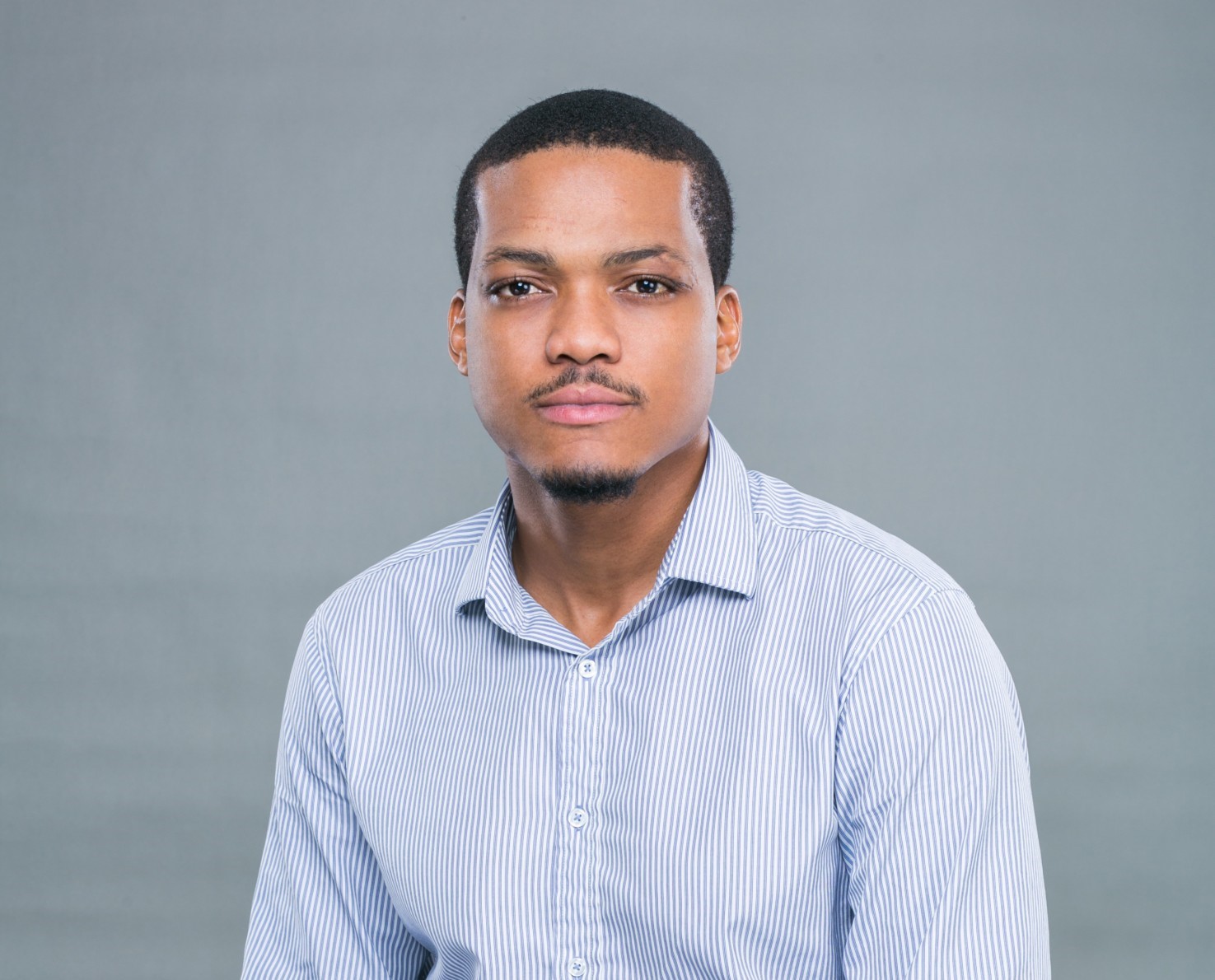

Michael Akindele, a 30 year-old Nigerian, is a director and a co-founder of SOLO Phone, an experience-driven digital content and smartphone company focused on delivering the best content and services on the mobile platform to African consumers.
SOLO Phone, which was established in Nigeria in 2012, is an experience-driven mobile device manufacturer which aims to provide the best content and services to the African consumer at an affordable price.
The company manufactures smartphones priced at $150, bundled with free music of up to 20 million songs licensed from Sony, Universal and Warner. SOLO also recently launched a Video-On-Demand App available to all Android devices in Nigeria which offers the latest Nollywood and Hollywood movies from global movie studios.
I recently had a chat with Akindele where he recounted his entrepreneurial journey and explained why he feels SOLO phones will give other smartphones a run for their money.
What’s your personal and professional background?
I was born August 29, 1984 in Washington D.C., to Nigerian parents. At the age of 2 years old, my family moved to Nigeria and spent the next 10 years in Ibadan. At the age of 12, my family returned to the US where I continued my education in Alexandria, Virginia.
After graduating from T.C. Williams High School, I attended George Mason University in Fairfax, VA where I received a Bachelor of Science (B.S.) degree from the Volgneau School of Engineering with a focus on Computer Science and Information Technology. I also received a minor in Business Administration from George Mason’s School of Management. While at George Mason I was a member of the Track & Field Team and competed in the hurdles and middle distance running events. Being an athlete on a Division I Track & Field team gave me the confidence I needed to take on events outside of sports and a chance to win.
Two days after graduating from George Mason I began my career as a Technology Consultant with Accenture. I gained valuable professional experience from being a Technology Analyst with Accenture. While at Accenture, I started working on a project, which quickly progressed and birthed The Apprentice: Africa.
A business partner and myself successfully licensed an American reality game show from Mark Burnett Productions for the Sub-Saharan media market, which featured real estate magnate, businessman and television personality Donald Trump. I returned to Nigeria January 2007 and was part of a team that developed, produced and distributed the African edition of an 18 week reality show titled The Apprentice: Africa that had a strong following in Nigeria, Ghana, Kenya, Tanzania and Uganda.
Walk me through your entrepreneurial journey so far. I know you worked as a Core Analyst at Accenture in the U.S, and then you returned to Nigeria to help produce the African edition of The Apprentice reality TV show. You were also involved in an animation studio before SOLO. Tell me about it.
While developing The Apprentice Africa, I gained hands on experience on producing TV content for the African market. I recognized the gaps and immediately started developing original content inspired by African culture, music and folklore. I recognized the media market was populated by an influx of content from Western markets with little commercial opportunities left for local content producers. We successfully produced a pilot for an original 3-D animated series titled The O Twins.
However,we quickly learned the market for content distribution was very shallow. Outside of the cable TV market there is little to no room left for original content production. The cable TV market is limited to affluent consumers who can afford televisions at home. However, the majority of African consumers are unable to afford this luxury.
This presented a challenge I was willing to take on. I knew if someone was able to successfully solve that problem it would create tremendous opportunities not only for the distributors but also for creative professionals across the continent. Today Sub-Saharan Africa is among the world’s fastest growing mobile market in the world, and is the biggest after Asia.
The introduction of affordable smartphones, specifically designed for the African market, has improved the market scenario. Mobile broadband connections are now anticipated to quadruple from its 2012 figure to reach 160 million in 2016. This uptrend reflects the gradual change in consumer habits, as they gain their first Internet experience through a mobile device. This is the future of content distribution and value added services.
–
Source: Forbes