

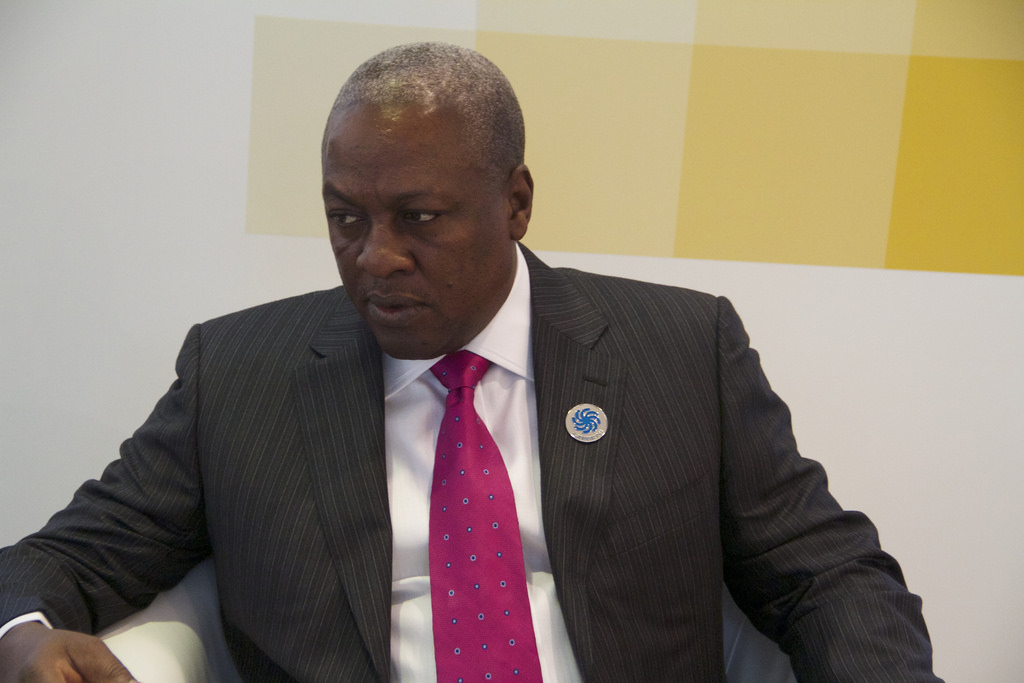

The International Monetary Fund (IMF) after its first round of discussions on a possible programme for Ghana has announced some targeted key areas to bring the country’s economy back on track.
This was after meeting President John Mahama; Vice- President Kwesi Amissah-Arthur; Dr. Kwesi Botchwey, Chairman of the National Development Planning Commission; Finance Minister Seth Terkper; Minister of Gender, Children and Social Protection Nana Oye Lithur; Bank of Ghana Governor Kofi Wampah; other senior officials, and representatives of the private sector, the donor community and civil society.
[contextly_sidebar id=”E9AU56U7c7AYf2TSRHe7306GWuzKEnQ4″]In a press statement released on Friday, the IMF said a “front loaded adjustment should be realized through reductions in Ghana’s comparatively high public sector wage costs.”
This means there will be a drastic review of the Single Spine Salary Structure (SSSS) which according to government drains more than 50% of its revenue.
The IMF also identified the costly and untargeted subsidies for energy and petroleum products and said they must be eliminated, with a better prioritization of capital spending.
Revenue generation
The IMF will seek to reduce tax exemptions and strengthened revenue administration “through a better targeting of large taxpayers.”

The Ghana Revenue Authority (GRA) has been struggling to meet its revenue targets, a situation that has put extra pressure on government to find scarce resources to run the economy.
The IMF said the difference between government spending and revenue generation is expected to remain at around 9 ¾ percent of GDP, and one of the major reasons for this would be the weak revenue performance and a large wage bill and substantially rising cost of debt service.
The statement however said it will be important to expand well targeted social protection programmes to mitigate the potential impact of fiscal consolidation measures on the most vulnerable groups of the population.
The Trades Union Congress (TUC) has already warned it will resist any programme from the MF that will lead to job cuts in the public sector.
Gloomy outlook
The mission is also predicting a gloomy outlook by the time 2014 will end.
It said, growth will decelerate to 4 ½ percent, from the 7.1 percent in 2013, and the year will end with an average inflation of around 15 percent.
The external current account deficit is projected to narrow to 10 percent of GDP, as imports declined substantially due to slower growth and a large depreciation of the currency, while export performance remained weak.

When the IMF begins the programme, it will be hoping to implement it between one and two years.
“A more ambitious and front loaded fiscal consolidation is needed to help place public debt on a sustainable path, and to allow monetary policy to be more effective in bringing down inflation, including by strictly limiting budget deficit financing by the Bank of Ghana.”
President John Mahama has revealed that the IMF bailout process expected to elevate Ghana from its economic woes will begin in January 2015.
According to the President, the IMF and the World Bank would collaborate to ensure a sustainable growth path for Ghana’s economy.
The IMF is hoping to execute the said programme for Ghana within one to two years even though President John Mahama said at a UN meeting in New York that he hopes it will be implemented within three years.
Discussions on a possible program that could be supported by the IMF will continue in Washington during the Annual Meetings.
–
By: Nana Boakye-Yiadom/citifmonline.com/Ghana