

Public toilets are built in communities to solve issues of open defecation and prevent diseases in various communities across the country.
Its maintenance is crucial to the prevention of diseases – typhoid, cholera, salmonellosis, bacillary dysentery, tuberculosis, anthrax, and parasitic worm infection.
Local Government Act 462 (1993) mandates Metropolitan, Municipal and District Assemblies (MMDAs) to provide municipal services and facilities for the use of the various communities, organisations and individuals within their respective areas of jurisdiction. Consequently, this mandate covers the provision, operation and maintenance of public toilets, in both commercial centres and high-density, low-income residential neighbourhoods.
The Ministry of Local Government and Rural Development in a document, “Guidelines for the Provision, Operation and Maintenance of Public Toilets” categorises the management of a public toilet under three systems: public, community and franchise management.
Under the public management system, the Assembly may set up a management team comprising personnel from the Waste Management Department/Unit as a centralised organisation to operate and maintain all public toilets within the area of jurisdiction of the Assembly. Alternatively, units may be set up at Sub-Metro or Town Council level for the same purpose.
The community management system is a variation on public management whereby facilities are managed by a committee of public officers of the Assembly and community representatives, referred to as Toilet Management Committee (TMC).
The Franchise system states that, the Assembly may give out the operation and maintenance to a duly registered limited liability company, whether sole ownership or partnership.
Across the length and breadth of this nation, public toilets are dotted in various communities; however, various challenges have bedeviled its hygienic and physical maintenance thus rendering it unsafe for communities.
A typical example of the unhygienic and poor physical structure of public toilets can be found in some communities – Zongo, Sokpayiri, Koroyiri, Kabanye, and Tendamba – in the Wa Municipality of the Upper West Region.
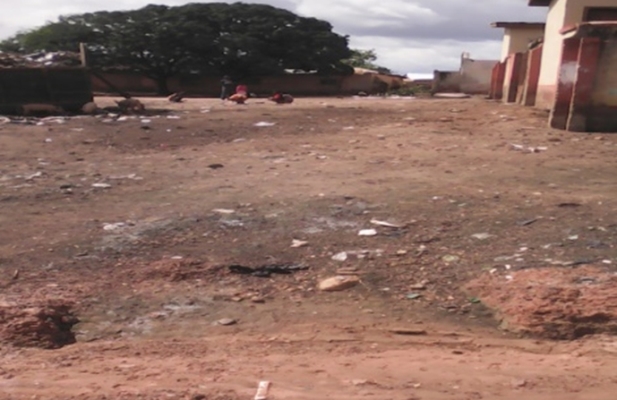
The sanitation facilities in these communities have broken slabs that covered the septic tanks, leftover disludged human excreta, poor user attitude, and the absence of hand washing facilities. By the side of these facilities children are seen defaecating in black polythene bags or on the ground – an act that defeats the construction of the facility.
Hygienically, hand washing is very crucial – it minimises the spread of influenza, prevents diarrhea and respiratory infections, serves as a preventive measure for infant deaths; and improved hand hygiene have been shown to lead to small improvements in the length growth of children under five years of age. Hand hygiene can reduce the rate of mortality from diseases by almost 50%.
The management and maintenance of these toilets have been given over to private individuals to operate and maintain under a franchise system – in this agreement, the private individuals do minor rehabilitation and keep the toilets clean whereas the Municipal Environmental Health Department (MEHD) of the Wa Municipal Assembly does major rehabilitation and disludging of the pits when they are full.
The insanitary condition is evidence that user education has been ineffective and insufficient, and rehabilitation of major works is nothing to write home about. Sanitation education, information and enforcement must not be a nine day wonder – it must be consistent and persuasive.
This is not a matter that should be seen as “normal”. Health and sanitation are human rights issues; goals 3 and 6 respectively of the Sustainable Development Goals (SDGs) focus on these two – goal 3, “ensure healthy lives and promote well-being for all at all ages”, and goal 6, “ensure availability and sustainable management of water and sanitation for all.”
These sanitation facilities are technically and legally owned by the Wa Municipal Assembly and the MEHD; it is only proper that these two agencies must get their acts together and ensure that these facilities are periodically renovated and user education is deepened to ensure the realisation of a clean and healthy environment.
The achievement of the SDGs goes beyond mere provision of infrastructure; the consistent and continuous education on the appropriate use and the enforcement of regulations about the inappropriate attitudes of people in a community are the solutions.
The writer is a freelance journalist with interests in human and social development, and sustainable development.
–
By: Alex Blege
Email: [email protected]/[email protected]